
Leading Foundation Repair Products To Address Structural Concerns
Choose from high-quality products aimed at correcting foundation issues and maintaining your property's value.
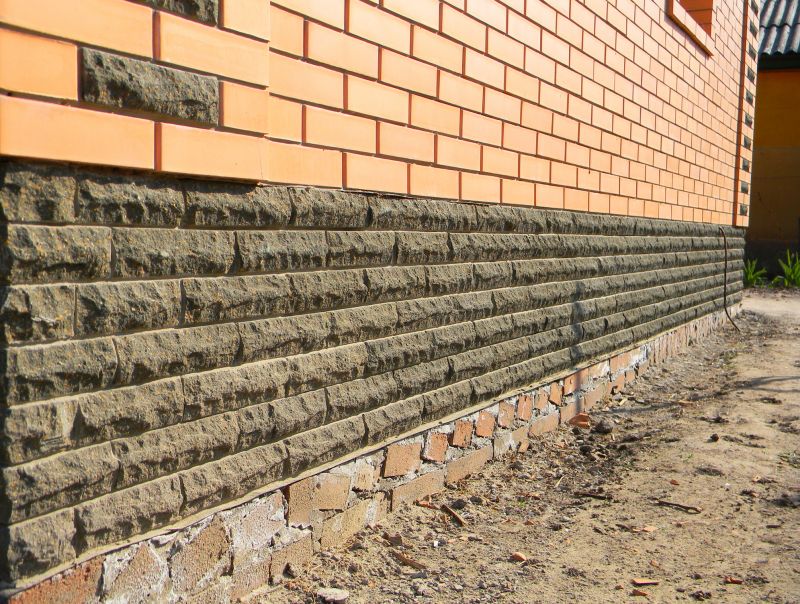 Foundation repairs are a critical aspect of maintaining the stability and safety of a building structure. When signs of foundation issues appear, such as cracks in walls, uneven floors, or sticking doors and windows, it is essential to consider appropriate repair products to address these concerns effectively. The selection of the right products depends on the specific nature of the foundation problem, the type of foundation, and the underlying soil conditions.
Top Overall Option
Polyurethane Foam Injection Systems
Polyurethane foam injection systems are versatile and commonly used for foundation stabilization and crack sealing. They expand upon application to fill voids and lift settled sections of a foundation, providing a quick and minimally invasive repair option. These systems are suitable for addressing minor to moderate foundation issues and can be applied with precision to targeted areas, making them a popular choice for both professionals and DIY enthusiasts. Their ability to adapt to different soil conditions and their fast curing time make them a practical solution for many foundation concerns.
Types of Products For Foundation Repairs
Epoxy Injection Kits
Used for sealing cracks and restoring structural integrity, epoxy injection kits are ideal for small cracks and surface repairs.
Polyurethane Foam Injection Systems
These systems expand to fill voids and lift sinking foundation sections, suitable for moderate repairs.
Concrete Piers
Concrete piers are installed beneath a foundation to provide support and stabilization for sinking or settling structures.
Steel Push Piers
Steel push piers are driven into stable soil layers to lift and stabilize a foundation, often used for more severe issues.
Helical Piles
Helical piles are screwed into the ground to provide support and are suitable for difficult soil conditions.
Mudjacking and Slab Jacking
This technique involves injecting a slurry beneath concrete slabs to lift and level them, often used for driveways and patios.
Brace and Wall Supports
Support systems designed to reinforce basement walls and prevent further movement or cracking.
Underpinning Plates and Posts
Used to reinforce and extend the foundation's load-bearing capacity, especially in cases of severe settlement.
Grout and Mortar Patches
Materials for filling small cracks and surface holes to prevent water intrusion and further deterioration.
Drainage and Moisture Control Products
Systems designed to manage water flow around the foundation and reduce soil movement caused by moisture changes.
Vapor Barriers and Waterproofing Membranes
Applied to basement walls and floors to prevent water infiltration and protect foundation integrity.
Soil Stabilizers
Chemical solutions that improve soil strength and reduce settlement issues.
Foundation Repair Anchors
Anchors used to stabilize bowing or leaning basement walls.
Concrete Lifting Pumps
Equipment used in mudjacking to lift and level sunken concrete slabs.
Support Beams and Posts
Structural elements used to reinforce and support compromised areas of a foundation.
Drainage Pipes and Erosion Control
Products designed to divert water away from the foundation, reducing erosion and soil movement.
Popular Choices
Widely used for sealing cracks and restoring surface integrity, these kits are favored for their ease of use.
A common solution for filling voids and lifting settled sections, appreciated for its quick application.
Frequently selected for foundational support in areas with significant settlement issues.
Popular for their strength and ability to lift and stabilize foundations with severe movement.
Chosen for difficult soil conditions and deep support needs.
A cost-effective method for leveling concrete slabs like driveways and patios.
Commonly used to reinforce basement walls and prevent bowing.
Popular for basement moisture control and foundation protection.
Effective in managing water flow around foundations to prevent soil erosion.
Frequently installed in basements to reduce moisture and improve foundation longevity.
Often used to reinforce weak areas under the foundation or floors.
Selected for improving soil stability in problematic areas.
Popular for stabilizing bowing or leaning basement walls.
Commonly used in conjunction with mudjacking for raising sunken slabs.
Widely used to provide additional structural support in compromised foundations.
Various repair solutions are available, ranging from simple patching compounds to complex underpinning systems. For minor cracks and surface issues, specialized sealants and epoxy injections can provide a durable fix. More extensive problems, such as sinking or shifting foundations, may require the use of underpinning piers, helical piles, or steel supports to stabilize and lift the foundation back into position.
It is important to understand that foundation repair products are designed to work in different scenarios and soil types. Proper assessment by a qualified professional can help determine the most suitable approach. When selecting products, homeowners and contractors should prioritize quality, ease of installation, and compatibility with existing structures. Using the right combination of products can help prolong the lifespan of the foundation and prevent further structural damage.
In Dothan, AL, where soil conditions and climate can influence foundation stability, choosing products that are resilient and adaptable to local conditions is especially important. Whether addressing minor cosmetic cracks or major structural issues, a well-informed selection of foundation repair products can contribute to a safer, more stable building environment.
Key Buying Considerations
- Assess the severity and type of foundation issue before selecting products.
- Consult with a foundation repair professional for an accurate diagnosis.
- Choose products compatible with your foundation type and soil conditions.
- Prioritize materials that offer durability and long-term stability.
- Consider ease of installation, especially if planning a DIY repair.
- Evaluate the potential for water intrusion and select appropriate waterproofing solutions.
- Review the product’s resistance to local climate factors such as humidity and temperature fluctuations.
- Check for products that allow for future adjustments or repairs if needed.
- Ensure that the repair products meet local building codes and standards.
- Consider the cost-effectiveness and longevity of the repair solutions.
- Look for products with clear installation instructions and support from manufacturers.
- Determine if the products can be combined with other repair methods for comprehensive solutions.
- Evaluate the ease of access to repair sites for product application.
- Assess the environmental conditions, including moisture levels and soil composition.
- Verify the availability of replacement parts or additional support if needed.
This content contains affiliate links and may earn commissions from qualifying purchases to support ongoing informational content.